|
When we think about supporting children’s sleep, we usually start with routines, lighting, and schedules. But there’s another element parents often overlook: texture. The way a room feels can play a surprisingly big role in how calm, settled, and emotionally balanced a child becomes before bed. Babies and older kids use texture as a form of communication long before they understand language, and their sensory preferences influence everything from how easily they unwind to how willing they are to stay in bed. Because of the way texture impacts kids’ comfort, it’s more than decor; it’s a sensory tool. And in sleep coaching, we see it make a real difference.
Why Texture Matters for Babies and Children Children explore the world through touch. Before they can speak, they learn safety and comfort from softness, warmth, and predictable sensations. As they grow, texture becomes an anchor in their environment, helping their bodies understand when it’s time to settle or play. Some textures calm the nervous system. Some wake it up. And some overstimulate kids who are already sensitive to sensory input. When a room’s textures are mismatched with a child’s needs, bedtime can feel harder than it should be, even when the routine is solid. Understanding texture helps parents create a sleep-friendly environment that supports emotional regulation, comfort, and rest. Textures That Promote Calm and Bedtime Readiness Sleep thrives on predictability. Soft, warm, and gentle textures help send consistent signals that it's time for bed. They encourage stillness, slow the body down, and invite relaxation. Some calming textures that work well in children’s rooms include:
When Texture Overstimulates Kids Before Bed Not all textures are sleep-friendly. Some excite the senses or give children something too stimulating to focus on when they need to calm down. Parents often don’t realize that certain materials can make winding down harder. The most common sleep disruptors within fabrics are:
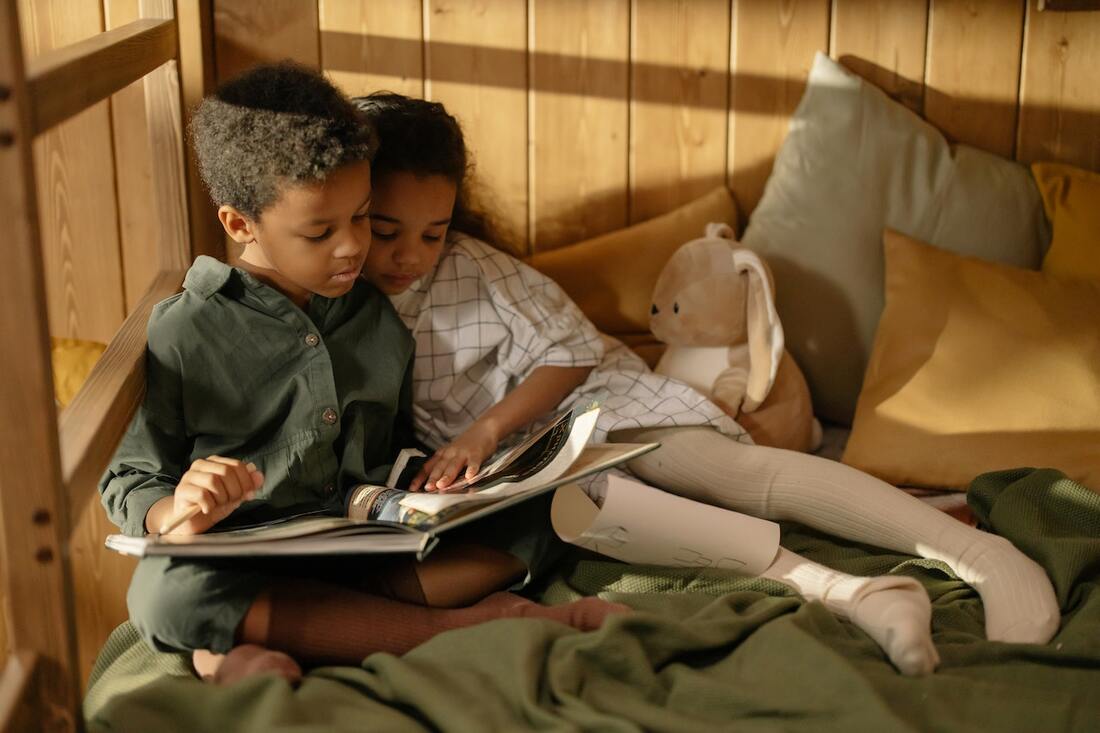
Texture Impacts Kids’ Comfort: The Role of Texture in Sleep Associations Sleep associations form when children link certain cues—routines, sounds, light levels, and especially textures—to the feeling of winding down for the night. When a child falls asleep while holding the same blanket or touching a familiar stuffed toy, the texture becomes a signal that their body can rest. These cues grow stronger over time and serve as an anchor when their surroundings shift. After a relocation, those anchors often weaken because the environment looks and feels unfamiliar. Even when bedtime routines stay consistent, children notice new lighting, different air, and unfamiliar surfaces. Parents who think about how to support their child through homesickness after relocating can use texture as one of several practical tools. As you validate emotions and involve children in setting up their new room, adding familiar textiles restores a sense of predictability. The feel of a well-loved blanket or toy can ease their anxiety in ways that complement other forms of comfort, such as creating familiarity with small personal items or encouraging social connections during the day. These tactile cues help children settle more quickly at bedtime and reduce the nighttime homesickness that often appears in the early stages of adjusting to a new home. Texture and Emotional Regulation Every parent has seen their child instinctively reach for a soft blanket, cuddle a stuffed toy, or run their fingers across the same spot on their pillow every night. These aren’t random habits; they’re sensory strategies. Texture can help children:
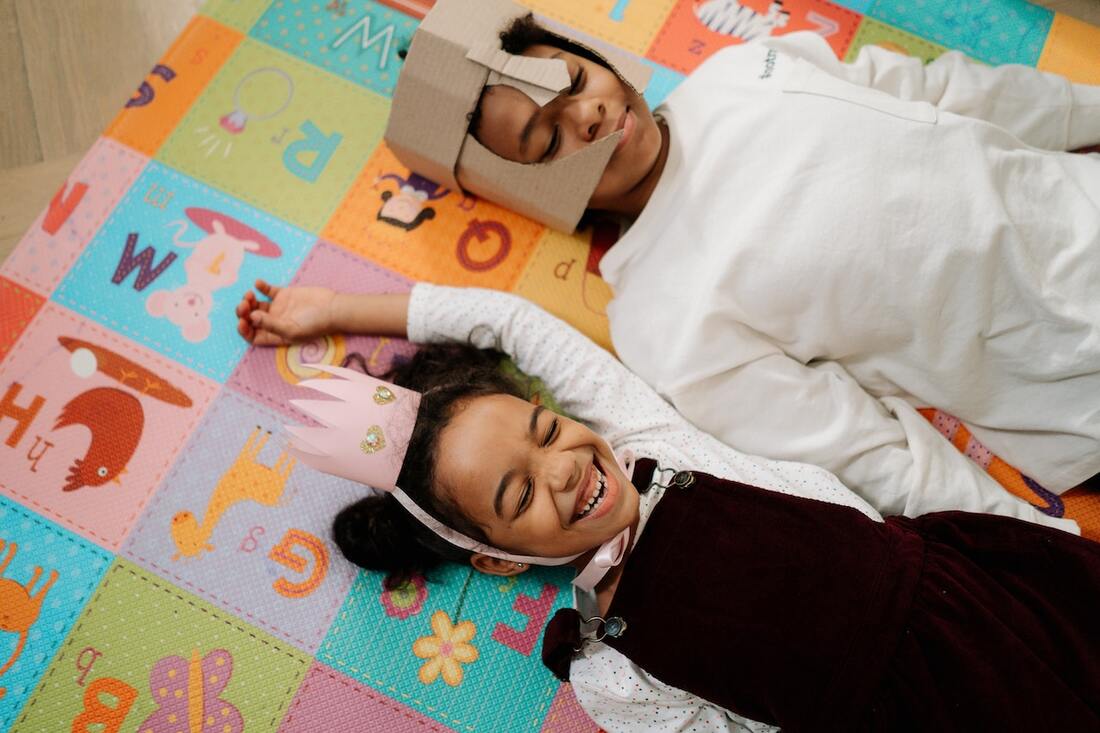
Flooring and Play Textures Influence Mood Too Children spend a lot of time on the floor, especially toddlers learning independence and older kids who prefer to spread toys out. The floor’s texture subtly affects how kids behave and feel in the space.
Textures That Encourage Focused, Gentle Activities Before Bed Because texture impacts kids’ comfort and mood, during the last hour before sleep, kids benefit most from textures that encourage calm engagement. Think:
When children interact with grounded, gentle textures, their nervous systems respond in a similar way. That’s why it’s necessary to turn your child’s bedroom into a sleep sanctuary before bed, so they can feel soothed when it’s time to sleep. Helping Kids Choose Textures That Feel Right Children’s sensory preferences are incredibly individual. One toddler may love fluffy blankets while another feels overwhelmed by them. One older child may crave smooth fabrics; another seeks something with grip or structure. A simple way to involve them is to offer two or three bedding options and see which one they touch longer. Moreover, let them sit on different types of cushions and notice what they avoid or pull away from quickly. Kids show us what feels comforting if we pay attention. These preferences can guide sleep-friendly choices without overthinking. Texture may seem like a small detail, but for babies and children, it’s a powerful part of their sensory world and a surprisingly meaningful piece of the sleep puzzle. Texture impacts kids’ comfort, and the right texture can help create a consistent bedtime environment that feels safe and familiar. When children feel secure in how their room feels, settling becomes easier, sleep becomes smoother, and bedtime becomes less of a battle. A sleep-supportive bedroom isn’t just about schedules or routines; it’s about the quiet, reassuring sensory cues that let little bodies relax. Texture happens to be one of the most effective, yet simplest, ways to create that sense of comfort. Photos used: https://www.pexels.com/photo/anonymous-barefooted-baby-sleeping-on-soft-bed-in-sunlight-5220093/ Discover the best kid-friendly houseplants to create a calming bedtime environment and help your child sleep peacefully! Creating a calming bedtime environment is essential for your child’s well-being. One simple yet effective way to achieve this is by adding kid-friendly houseplants to their room. Not only do these plants improve air quality, but they also provide a natural sense of calm that helps children unwind before bed. Carefully chosen plants are safe for kids and easy to maintain, making them a practical addition to any home. Beyond their aesthetic appeal, houseplants can reduce stress and promote better sleep. Here, we’ll explore the best options, their benefits, and practical tips for using houseplants to create a soothing space your child will love. What Makes a Houseplant “Kid-Friendly”? Kid-friendly houseplants are safe, easy to care for and fit well into a child’s environment. Safety is the top priority—these plants should be non-toxic if touched or accidentally ingested. Examples include spider plants, parlor palms, and baby rubber plants, all of which are harmless and visually appealing. Kid-friendly plants are also low-maintenance, requiring minimal watering and care, which makes them ideal for busy households. Additionally, they should be mess-free, meaning they don’t shed leaves or produce pollen that could trigger allergies. Choosing safe and simple plants ensures they enhance your child’s room while remaining practical for you to manage. The Benefits of Houseplants for Children’s Sleep Houseplants can significantly improve your child’s sleep quality by enhancing the bedroom’s air quality and creating a calming atmosphere. They act as natural air purifiers, reducing allergens and ensuring better breathing during the night. The presence of greenery has a soothing psychological effect, lowering stress and promoting relaxation. This is especially helpful if your child is transitioning from a crib to a big kid bed. Plants like lavender and chamomile release subtle, sleep-enhancing scents that encourage a restful night. Incorporating houseplants into the bedtime routine helps establish a tranquil environment, ensuring your child drifts off easily and wakes up feeling refreshed and ready for the day. Top Kid-Friendly Houseplants to Consider When selecting houseplants for your child’s room, it’s essential to prioritize safety, ease of care, and calming properties. Here are some great options to consider:
These plants enhance the room’s aesthetics and help create a calming, child-friendly environment. Arrange Houseplants to Maximize Their Benefits Proper placement of houseplants in your child’s room is key to enhancing their calming effects and ensuring safety. Position plants near windows to provide the natural light they need to thrive, but avoid direct sunlight for delicate varieties. Keep plants out of your child’s reach by placing them on shelves or in hanging pots to prevent accidents. Arrange them strategically near the bed to promote a soothing atmosphere without overcrowding the space. Use lightweight, non-breakable pots to avoid potential hazards. Rotating plants periodically ensures even growth and consistent air purification. The thoughtful arrangement allows them to blend seamlessly into the room while maximizing their benefits for your child’s sleep. Create a Calming Bedtime Environment During Relocation Relocating can be stressful for children, but houseplants can help maintain a sense of comfort and routine. Introducing kid-friendly houseplants in the new space creates familiarity, easing your child’s transition. Choose plants that are easy to transport, like pothos or succulents, to minimize hassle. Involve your child by letting them help arrange plants in their new room, giving them a sense of control and excitement. If you’re moving with house plants in Canada, consider packing them carefully to avoid damage during the trip. Wrap plants securely and keep them upright to ensure they stay healthy while providing comfort in their new home. How to Care for Kid-Friendly Houseplants Without Overwhelming Your Routine Caring for kid-friendly houseplants doesn’t have to complicate your day. Opt for low-maintenance plants that require watering just once a week. Use pots with drainage holes to prevent overwatering and keep a consistent schedule for feeding them with plant-safe fertilizers. Dust leaves occasionally to maintain their health and air-purifying abilities. Also, teach your child simple care tasks, like watering or wiping leaves, to involve them and make the process fun. For example, if you’re busy managing back-to-school routines, choose resilient plants like spider plants or baby rubber plants that thrive with minimal attention. Simplifying care ensures the plants remain vibrant without adding stress to your routine. Additional Elements to Enhance a Child’s Sleep Environment Pairing houseplants with other calming elements can create the perfect sleep environment for your child. Use soft lighting, such as dim nightlights or fairy lights, to establish a cozy atmosphere (fairy lights are for atmosphere only and should be turned off for sleep time). You can also play soothing sounds, like white noise or pink noise, to help your child unwind. Incorporate aromatherapy with child-safe essential oils, such as lavender, to promote relaxation. Of course, keep the room clutter-free to encourage a sense of peace and order. If your toddler or preschooler is struggling with sleep, layering these elements alongside the benefits of houseplants can make a significant difference. Together, they create a soothing space that encourages restful and uninterrupted sleep. Common Mistakes to Avoid When Using Houseplants in a Child’s Room
While houseplants can transform a child’s room, some common mistakes can reduce their benefits or create risks. Avoid these pitfalls:
Remember, the resting brain works hard during sleep to process information and recover, so maintaining clean air and a clutter-free environment is vital for restful nights. Thoughtful choices can maximize the benefits of houseplants. Transform Your Child’s Room with Greenery Kid-friendly houseplants are a simple yet powerful way to create a calming bedtime environment for your child. From improving air quality to promoting relaxation, their benefits are undeniable. Start with one or two plants to see the difference they make. Enhance your child’s sleep experience and watch how these natural elements transform their room. Photos used: Pexels Pexels Pexels Pexels The Do’s and Don’ts of Room Sharing with Your Baby: A Guide for Parents As a Certified Pediatric Sleep Consultant, I understand that room sharing with your baby can be both a comforting and challenging experience. While the American Academy of Pediatrics (AAP) recommends room sharing for at least the first six months—up to one year ideally—for the benefits it brings, it’s essential to navigate this time with a balance that promotes restful sleep for everyone involved. Here’s what you need to know about the do’s and don’ts of room sharing. The Do’s of Room Sharing
The Don’ts of Room Sharing
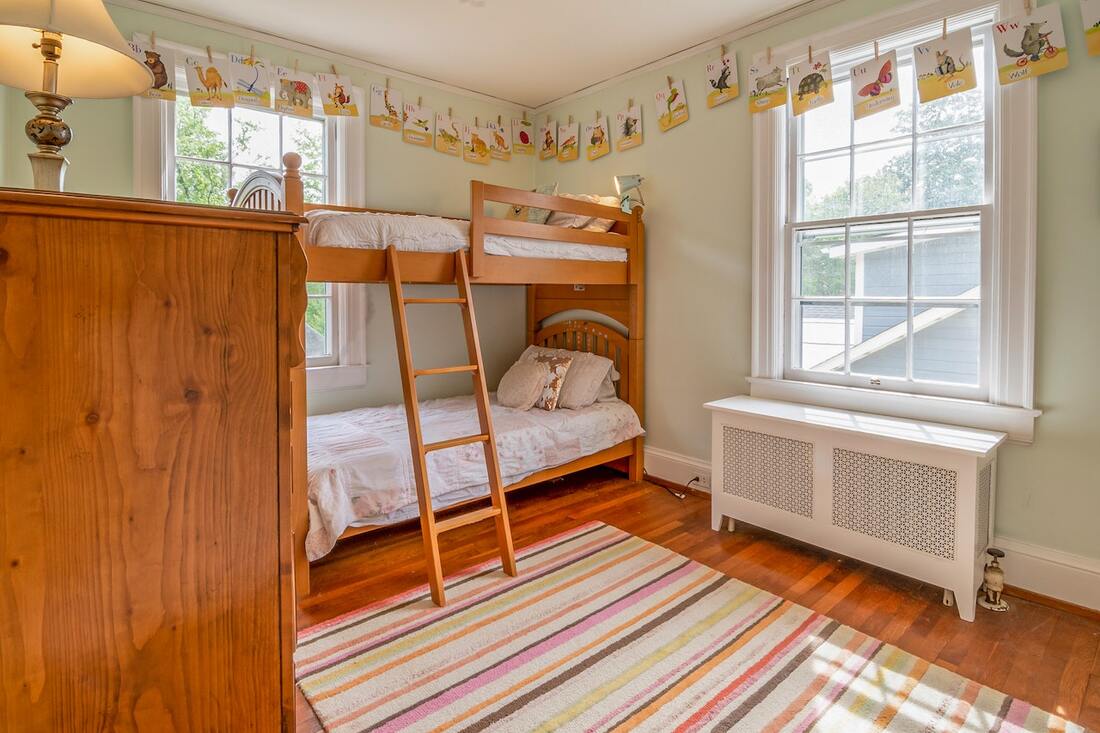
Finding the Balance Room sharing can be a wonderful way to keep your baby close and safe during those early months, but it’s essential to find a balance that works for your family. While sleep experts agree that everyone would ideally have their own sleep space, that’s not always possible. By incorporating strategies like using white noise and creating a small barrier between you and your baby, you can improve the quality of sleep for everyone. Remember, your family’s well-being is the priority. If room sharing is the best option for your situation, know that you can make it work. And when the time comes, transitioning your baby to their own room can be a positive step for everyone’s sleep health. As your Certified Pediatric Sleep Consultant, I’m here to support you every step of the way. AuthorErin Neri - Certified Pediatric Sleep Consultant and Owner of To The Moon and Back Sleep Consulting since 2016. Discover the secrets to navigating shared bedrooms after relocation! Learn tips for organization, personalization, and more. While sibling rivalry is a timeless saga, it takes on a new twist when brothers and sisters are asked to share the same bedroom, especially after a big move. That's where we step in! We’ll explore the world of navigating shared bedrooms after relocation, packed with tips, tricks, and ideas to help your kids sleep peacefully. The basics of navigating shared space Start by involving your kids in the rule-making process. Talk about boundaries – what's off-limits and what's fair game. Is it a no-fly zone for toys during study time? Are sleepovers allowed on school nights? By discussing and defining these rules together, you're teaching your children compromise and negotiation. Plus, posting the rules in a visible place is a friendly reminder when tempers flare. The essence of a harmonious shared bedroom lies in routine. Set designated times for different activities – study, play, and sleep – and involve your kids in this scheduling process. With your guidance, let them have a say in how they'd like to allocate their time. Creating a visual timetable with colorful markers can turn this into an exciting activity. Let them know that their voices matter and that you're there to listen and support them. Relocating with kids and settling in If you are wondering how to move with kids efficiently, talk to your children about the upcoming stage. You can relocate with your little ones easily if you work with movers and take the extra time to help your kids adjust. Explain why you're moving and highlight the positive aspects of the new home, such as a bigger backyard or proximity to a favorite park. Include your children in the packing and unpacking process. Let them help choose paint colors or decorations for their new, shared bedroom. This involvement empowers them and helps them feel a sense of ownership over their space. Try to recreate elements of their previous bedroom in the new one. Arrange their furniture in a similar layout and use familiar bedding and stuffed animals to provide comfort and a sense of continuity. Maintain regular routines as much as possible, especially bedtime routines. Consistency in daily activities helps children feel secure in their new surroundings. Make moving into their shared bedroom a special event. Ideas on how to divide the bedroom Transforming a shared bedroom into a harmonious haven often begins with creating distinct, individual spaces. One ingenious way to achieve this is by employing physical dividers or room partitions. These can be in the form of bookshelves, screens, or even curtains. Another strategy to divide and conquer shared bedrooms is strategically planning furniture placement. Opt for symmetrical layouts that create a visual balance in the room. When it comes to shared bedrooms, color can be a powerful tool in defining individual spaces. Work with your children to select a color scheme or theme for their respective sides of the room. Whether bold, vibrant colors or soothing pastels, the chosen palette can set the tone for each child's area. Decorate with bedding, curtains, and accessories that match their preferences while staying within the selected color scheme. Personalizing each side of the bedroom Shared bedrooms may be shared, but that doesn't mean individuality should take a back seat. Celebrating each child's unique personality and interests is the perfect opportunity. Encourage them to express themselves through their side of the bedroom. Let one sibling's side reflect their passion for art with an easel and a gallery wall of their creations. On the other side, create a cozy reading nook for the bookworm, with their favorite titles proudly displayed. Empower your children by involving them in decision-making when decorating their respective sides of the room. Provide them with furniture, colors, and decorations options, and let them choose what resonates most with their style. It's a chance for them to learn about their preferences and explore their creativity while contributing to the overall aesthetics of the shared bedroom. How to organize storage for siblings Assign each sibling their designated storage areas, making it clear where their toys, books, and personal items should go. Another key part of navigating shared bedrooms after relocation is labeling containers because it can make organization a breeze and help younger children easily identify their belongings. Consider under-bed storage drawers or wall-mounted shelves to maximize vertical space while keeping the floor clear for play and movement. A well-organized storage system keeps the room tidy and teaches kids valuable organizational skills. Shared storage in a bedroom offers an excellent opportunity to teach children about responsibility and organization. Make it a routine for them to clean up and put away their belongings before bedtime or at designated times during the day. Encourage them to take ownership of their space by involving them in the organization process. Teach them the importance of decluttering regularly and donating items they've outgrown. Maximizing space and functionality When it comes to shared bedrooms, the sky's the limit, quite literally! Lofted and bunk beds are magical space-saving solutions that instantly double the floor space available for activities. Bunk beds are practical and a source of adventure and camaraderie for siblings. Just imagine the joy of bedtime conversations and late-night giggles shared in the cozy confines of bunk beds. In shared bedrooms, every piece of furniture should pull double-duty. Look for multi-purpose pieces like beds with built-in storage drawers, ottomans that double as seating and toy storage, or desks that can be transformed into vanity tables. Wall-mounted fold-out desks and Murphy beds are also fantastic space-saving options. Additionally, consider furniture with adjustable components that can grow with your children, adapting to their changing needs and preferences. This versatile furniture maximizes space and promotes efficient organization and functionality. Creating zones for different activities A dedicated homework and study area is one of the ways to help young minds focus, learn, and excel. Set up a well-lit corner with a comfortable desk and ergonomic chair for each sibling. Ensure it's equipped with all the necessary supplies like pens, paper, and a lamp. Personalize these spaces with inspiring artwork or motivational quotes to encourage a positive study atmosphere. The play and recreation area is where the magic of imagination and bonding comes to life. Create a space where your children can unleash their creativity, whether building LEGO masterpieces, hosting impromptu puppet shows, or engaging in board games. Floor cushions, rugs, and low shelves with accessible toy storage bins make this area inviting and functional. Navigating shared bedrooms after relocation with our guide As we wrap up, we hope you've discovered the magic of turning sibling cohabitation into a harmonious adventure. Remember, the key is to celebrate differences while nurturing the sibling connection. Embrace the challenges of navigating shared bedrooms after relocation and watch your children create memories that will last a lifetime.
Photos via: Pexels Pexels Pexels Pexels If you’re like most parents, you probably can’t take more than a couple of steps in your house without tripping over a doll, a stuffed animal or a Tonka truck. You are most likely more than familiar with the sensation of getting those hard, tiny Lego pieces embedded in the bottom of your bare foot or having to spend ten minutes scooping your child’s dripping army of rubber duckies and plastic fish out of the bathtub after he’s had his bath every night. I often think toy companies must sit around brainstorming all the different places they should convince parents they need to stockpile toys in order to entertain their kids: the car, the living room, the bathtub and the crib, just to name a few. Of course, toys are a fun and necessary part of any child’s life, but personally I don’t think there should be any toys in the crib at all. The crib is for sleeping. If it’s filled with brightly coloured plush toys or gadgets that strap on to the rails and make sounds or play songs when your child pushes buttons it is all far too distracting and stimulating for bedtime. Even a mobile is off-limits if you want your child to learn to sleep properly. While the child may seem to be staring calmly and intently at the pretty floating butterflies above her head, the colours and movement are actually firing up her mind and keeping her awake. If you put your child to bed in a crib-full of toys to amuse himself, he is far less likely to just close his eyes and go to sleep. Bedtime is obviously a time when you want to be helping your babies and toddlers wind down, but instead you may just be winding them up! Any sleep specialist will tell an adult struggling with insomnia to limit all activities in the bed so that you send a clear message to your body and brain that when you are in this specific location you are meant to sleep. That means putting away phones, iPods, iPads and laptops and turning off the 10:00 news on your TV. The very same holds true for children. While the toys might not seem as stimulating as electronics, your child will play with them when she should be going to sleep, even if she’s tired. Kind of like you staying up later than you should just to check Facebook one more time! Despite my general no-toys-in-the-bed philosophy, I do make an exception when it comes to that one special “security” toy or lovey, like your child’s favourite stuffed animal or plastic Spiderman or frog puppet whatever it may be. These beloved toys offer soothing comfort and help your child feel relaxed and safe. For more information on Lovey’s see everybody needs a lovey. Anything you can do to minimize distractions when it’s time for bed will really help as you are establishing good sleep habits and routines. The more simple and plain your child’s surroundings are, the easier it will be for him to drift into dreamland. |
To The Moon and Back Sleep ConsultingProviding families the tools & support they need to get their little ones sleeping through the night and napping like champs! Everyone has more fun when they are well rested! Visit Woolino - Use the LINK to get 10% off.

Browse
All
|

RSS Feed