
|
Discover effective strategies to ensure your kids maintain healthy sleep habits during a move, and learn how to help them during this transitional period. 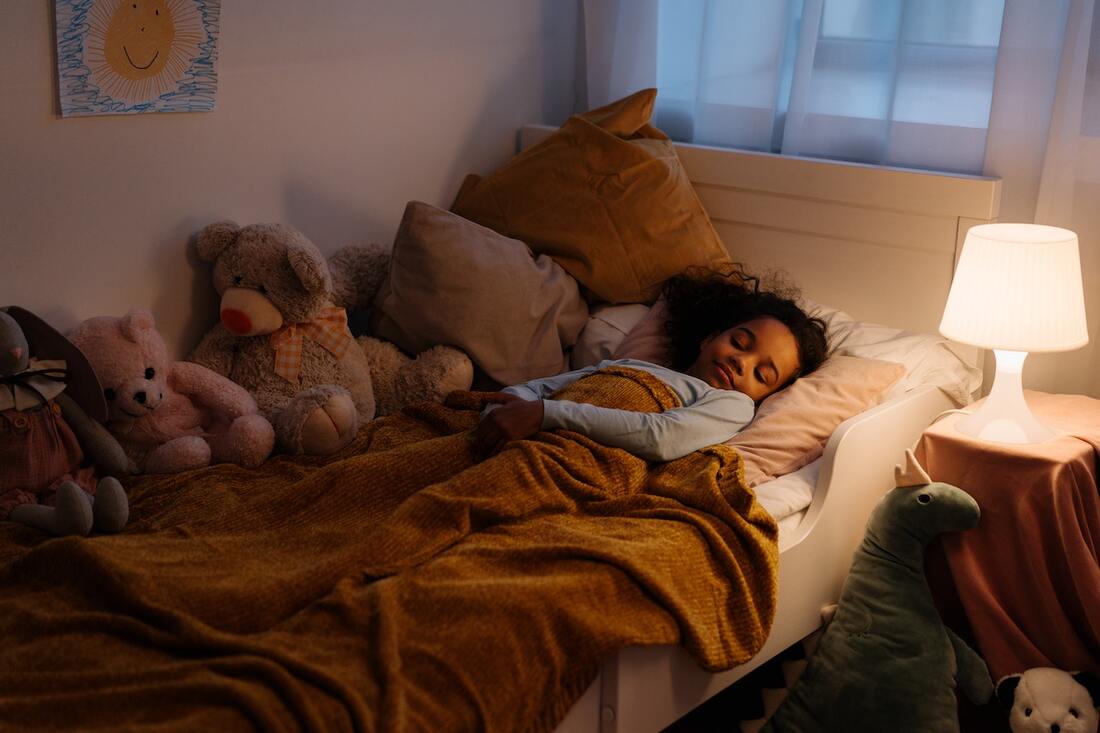 Moving to a new home in Alberta can be an exciting yet stressful time for families, especially when kids are involved. Amidst the chaos of packing, unpacking, and adjusting to a new environment, it's crucial not to overlook the significance of maintaining healthy sleep habits during the move. Sleep is pivotal in children's growth, development, and overall well-being. This article will explore practical ways to support your kids in getting the restful sleep they need while navigating the transition.
Establish a Familiar Sleep Environment and a Calming Bedtime Atmosphere When moving to a new place, children can feel disoriented and uneasy due to the change in surroundings. To mitigate this, create a sleep environment that mirrors their previous setup. Set up their bed, blankets, and favorite stuffed animals in a similar arrangement. Familiarity in their sleeping space can provide a sense of comfort and security, promoting better sleep during the move. Set the stage for a peaceful sleep environment. Consider using soft lighting, soothing colors, and calming scents in their bedroom. Creating a serene atmosphere can aid relaxation and help them unwind before bedtime. A Consistent Bedtime Routine as You Adjust to the New Time Zone Routines offer predictability, which is especially crucial when everything else feels uncertain. Stick to their usual bedtime routine as closely as possible. Whether reading a story, dimming the lights, or practicing relaxation techniques, these activities signal to their bodies that it's time to wind down and prepare for sleep. Consistency in routine can help mitigate the disruptions caused by the move. If the move involves crossing different time zones, gradual adjustment can help prevent jet lag and ensure smoother sleep transitions. Gradually shift their bedtime and wake-up time in the days leading up to the move so the change isn't abrupt and disruptive. Prioritize Physical Activity Engaging in physical activities during the day can help expend excess energy, making it easier for kids to fall asleep at night. Allocate time for outdoor play or indoor games that encourage movement. Physical exertion contributes to a healthier sleep cycle and reduces any stress or anxiety associated with the move. By incorporating active play into their daily routine, you can promote a more balanced emotional state, allowing them to approach bedtime with a calmer and more relaxed mindset. Additionally, physical exertion can enhance the quality of their sleep by promoting deeper restorative sleep cycles. This means that even amid the changes and uncertainties of moving, their bodies have the opportunity to recover and recharge through the night, supporting their overall health during this transitional period. Open Communication Children may have questions or concerns about the move that could affect their sleep. Encourage open communication and create an environment where they feel comfortable sharing their thoughts. Addressing their worries and providing reassurance can alleviate any bedtime anxiety they might be experiencing. Involving them in the moving process, such as allowing them to pack a special box of their belongings or choose the color of their new room, can give them a sense of control and involvement. This empowerment can boost their confidence and reduce feelings of uncertainty, contributing positively to their overall sleep quality. If you have hired movers for your long distance move in Alberta, Canada, long distance movers can make it easy on the kids too. They can suggest safe ways for kids to get involved, which can help calm their anxieties. Remember, their emotional well-being and sleep patterns are closely intertwined, making it crucial to tend to their feelings during this significant life transition. Unpack Comfort Items First During the moving process, certain items may take longer to unpack than others. However, they prioritize unpacking comfort items like their favorite pajamas, blankets, and bedtime books. Having these items readily available can offer a sense of normalcy and help them feel more at ease in their new surroundings. Remember that small gestures can make a big difference. Before their first night in the new home, consider engaging in a soothing bedtime routine together. Reading a beloved storybook, sharing a quiet conversation, or practicing deep breathing exercises can help them relax and ease into sleep. These moments of connection can be reassuring during a time when everything else seems uncertain. Limit Screen Time Before Bed Screens emit blue light that can interfere with the production of melatonin, the hormone responsible for regulating sleep. Especially during the move, when sleep might already be disrupted, limiting screen time in the hour leading up to bedtime is essential. Encourage quieter activities like reading or drawing instead. Be Patient and Understanding It's normal for sleep disruptions to occur during a move. Children might take some time to acclimate to the new environment and routines. Patience and understanding are key during this period of adjustment. Recognize that occasional sleep challenges are part of the process and focus on consistently reinforcing those healthy sleep habits during the move. Each child is unique, and their reactions to the move can vary. Some may adapt quickly, while others might require more time to feel comfortable in their new surroundings. As a parent, being attuned to your child's emotions and behaviors can guide you in providing the necessary support. Remember that maintaining healthy sleep habits during the move is not just about the immediate adjustment period but about setting the stage for their ongoing well-being. By approaching sleep disruptions with a proactive and patient attitude, you can help your children build resilience and adaptability, skills that will serve them well beyond the move. So, as you navigate this transition, remember that while challenges may arise, your dedication to their sleep routine is a valuable investment in their overall health and happiness. Seek Routine Amidst Change Change can be unsettling for children, but establishing a routine can provide a sense of stability. Even amidst the move, incorporating elements of their regular routine can help anchor them and promote better sleep. These familiar practices can make a significant difference, whether it's a special pre-sleep ritual or a favorite lullaby. Help Kids Maintain Healthy Sleep Habits During the Move Moving to a new home with kids requires careful consideration of their sleep needs. While the transition can be demanding, prioritizing healthy sleep habits during the move is essential for their well-being. By creating a consistent sleep environment, maintaining routines, and fostering open communication, you can help your children navigate the move while ensuring they continue to get the restful sleep they need. Remember, patience and understanding go a long way in making this transitional period smoother for the entire family. Photo via Pexels |
To The Moon and Back Sleep ConsultingProviding families the tools & support they need to get their little ones sleeping through the night and napping like champs! Everyone has more fun when they are well rested! 




Visit Wollino - Discount Code: TOTHEMOONANDBACK10
Browse
All

Discount Code: TOTHEMOONSLEEP

Discount Code: TOTHEMOONSLEEP10

Discount Code: TOTHEMOONSLEEP
|
 RSS Feed






All information provided on this website, including texts, images, and other materials, are for informational purposes only and should not be considered a replacement for assessment or treatment by a healthcare provider.
© COPYRIGHT 2016-2024 TO THE MOON AND BACK SLEEP CONSULTING. ALL RIGHTS RESERVED. WAKING GIRL WEB DESIGN
© COPYRIGHT 2016-2024 TO THE MOON AND BACK SLEEP CONSULTING. ALL RIGHTS RESERVED. WAKING GIRL WEB DESIGN