The Benefits of SleepSleep has always been and will likely continue to be a mystery. From an evolutionary standpoint, it seems like something that we should have abandoned a few hundred thousand years ago. The fact that we fall into a near unconscious state for a third of our day, every day, leaving us vulnerable to whatever horrifying dangers we faced in the early days of civilization, it makes me wonder how we ever made it this far as a species. However, it just goes to show that whatever sleep does for us, it’s obviously vital to our health and well-being. If it weren’t, those individuals who needed less sleep would have risen to the top of the gene pool a long, long time ago, and those who thrived on a lot of sleep would have been, well, eaten probably. Man, I’m glad I was born in this day and age. Being eaten would suck. As of yet, the scientific community hasn’t been able to tell us exactly why we sleep, but there is a consensus among researchers (and new mothers) that adequate sleep is beneficial in numerous ways. Actually, if you really want to get technical, it’s only a third. Learning and memory are divided into three functions. Acquisition, consolidation, and recall. Put simply, you need to receive the info, then you need to stabilize the memory of it, and finally, you need to be able to access it when you’re watching “Jeopardy!” Acquisition and recall primarily occur while you’re awake. Consolidation, on the other hand, “takes place during sleep through the strengthening of the neural connections that form our memories. The overall evidence suggests that adequate sleep each day is essential for learning and memory.” (1) So even if you manage to focus on what you’re learning and acquire the information, without sleep, that information won’t be properly stored in the brain. When called upon to access it, you’ll find yourself drawing a blank and making that face. You know the one your husband gets when you ask him to communicate his needs more often? That one. Now, I’m a firm believer that learning and education should be a lifelong pursuit, but once we’re out of school, learning becomes substantially more optional. For your kids, though, learning is their primary responsibility for the first 18-20 years of their lives, so considering how much they need to retain, the importance of a healthy sleep schedule is hard to overstate. This isn’t exactly new information. We’re all aware that we get emotional in very negative ways when we’re running on too little sleep, but why? Why shouldn’t it have similar effects to, say, a few glasses of wine? Why doesn’t sleep deprivation cause us to start telling people we love them or develop an overconfidence in our karaoke abilities? Again, it’s a bit of a mystery, but some researchers have suggested that sleep deprivation stimulates activity in the amygdala. That’s the little almond-shaped part of the brain that’s responsible for feelings of, among other things, anger and fear. These amped-up feelings can lead to an overall sense of stress and hostility toward others, which is probably part of the reason why you lost it at your co-worker when he asked you how your weekend was. The other reason is that he regularly uses finger guns and says things like, “Sounds like somebody’s got a case of the Mondays,” so sleep deprivation isn’t the only villain here.
People who regularly get between 7-9 hours of sleep see significantly lower rates of obesity, high blood pressure, stroke, infections, depression, diabetes, inflammation, hypertension, heart disease, heart attacks, and heart failure. They also report higher satisfaction with their sex lives, better performance at work and take fewer sick days than people who typically sleep less than 7 hours a night. (3) So, there’s no question that sleep, while it remains mysterious, is definitely an essential part of a healthy and happy lifestyle. But that all changes when you have a baby, right? I mean, you’ve brought a new life into this world, and you’re expected to sacrifice your sleep for a few years, maybe six or seven at the most, in order to respond to your baby’s needs, which, for some reason, they seem to have in spades in the middle of the night. This is one of the most problematic myths about parenthood, and it needs to be put to rest. Because here’s the thing: your baby needs sleep even more than you do. Those little bodies may look like they’re idle when they sleep, but there’s an absolute frenzy of work going on behind the scenes. Growth hormones are being secreted to help baby gain weight and sprout up, cytokines are being produced to fight off infections and produce antibodies, and all kinds of miraculous, intricate systems are at work laying the foundation for your baby’s growth and development, and they’ll continue to do so through adolescence, provided they’re given the opportunity to do so. Nature does the heavy lifting. All that’s required of your little one is to close their eyes and sleep. This being my field of expertise, I see a LOT of people telling new parents that babies just don’t sleep well and that they should expect their little ones to be waking them up seven or eight times a night. So to those people, I would like to say, you have absolutely NO idea what you’re talking about, OKAY? Your advice isn’t just wrong; it’s harmful. Telling people to accept their baby’s sleep issues as a part of the parenting experience is preventing them from addressing the problem, and that’s a serious concern for everybody in the family. Not because they’re selfish and enjoy sleeping late. It’s because they, and even more so, their kids, need adequate sleep for all of the reasons I’ve listed above. And if your baby is waking up 7 or 8 times a night and crying until you come into the room and rock her back to sleep, that’s not motherhood as usual. That’s a baby who has trouble sleeping, and it’s interfering with their body’s natural development. It’s no different than an ear infection or jaundice. It’s a health issue, and it has a remedy, so anyone telling you to grin and bear it for the next six years is peddling horrible advice. I’m sure it’s not done maliciously, but it still needs to stop. Accepting inadequate sleep in infancy leads to accepting it in adolescence, and eventually, you end up with grown adults who don’t give sleep the priority it requires, and all of those serious health issues follow along with it. So, to every new mother out there, I implore you, don’t accept the idea of sleep as a luxury that you’re going to have to learn to live without for a few years. If your baby’s not sleeping, address it. It’s not selfish; it’s not unrealistic; it’s necessary, and the benefits are plentiful. - Erin Neri, BA. Psychology, Certified Pediatric Sleep Consultant, Infant Mental Health, Integrated Feeding Specialist Endnotes
(1) Division of Sleep Medicine at Harvard Medical School, retrieved from healthysleep.med.harvard.edu/healthy/matters/benefits-of-sleep/learning-memory, December18, 2007 (2) Sleep. 1997 Apr 20 (4):267-77. Cumulative sleepiness, mood disturbance, and psychomotor vigilance performance decrements during a week of sleep restricted to 4-5 hours per night. Dinges DF1, Pack F, Williams K, Gillen KA, Powell JW, Ott GE, Aptowicz C, Pack AI. (3) National Sleep Foundation, 2008 Sleep in America Poll, Summary of Findings retrieved from sleepfoundation.org/sites/default/files/2008%20POLL%20SOF.PDF The Truth About "Gentle" Sleep Training: Real Change Is MessyThere’s a trend that’s been gaining momentum, especially on Instagram, promising a kinder, gentler approach to helping babies sleep through the night.
You’ve probably seen it. It’s called “gentle sleep training,” but what’s often implied is something much more magical: a promise that your baby will learn to sleep well without a single tear, without ever feeling frustrated, and without any discomfort. Sounds perfect, right? But here’s the truth no one wants to say out loud: that’s not how change works—not for adults, and definitely not for babies. Let’s look at a few of the buzzwords floating around right now:
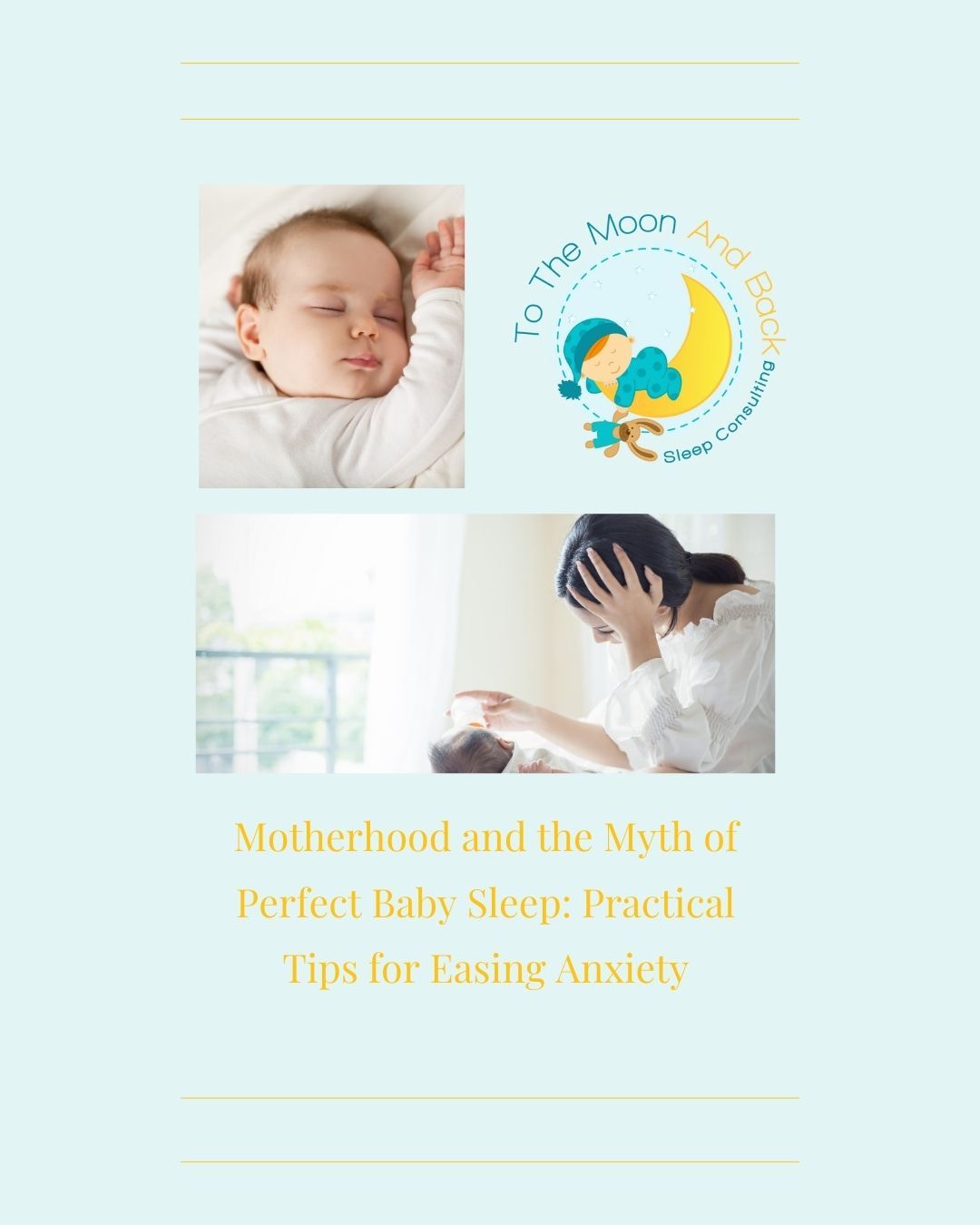
Here’s what we know after helping over 100,000 families: sleep is a skill. And like any skill, it has to be learned. That learning process? It involves some discomfort. Some protest. Some “I don’t like this!” moments. And yes, some crying. But here’s the difference: Working with a Sleep Sense Consultant, that protest happens in a safe, structured, and supported environment. Parents choose the method that fits their comfort level, including the Stay in the Room approach—where you’re literally sitting right next to your child while they learn. You’re there. You’re calm. You’re consistent. You’re not giving in, and you’re not giving up. It’s not about ignoring your baby or leaving them to cry. It’s about teaching them a lifelong skill in a way that’s respectful to them and you. So the next time you see a sleep coach promising a tear-free, struggle-free transformation, ask yourself: Is this realistic? Or just really good marketing? Because at the end of the day, the goal isn’t to avoid every cry. The goal is to raise a confident sleeper—and a confident parent. Ready to ditch the fads and get real sleep? Let’s talk about how I can help. As a mother, it's natural to want the best for your child - including their sleep, especially if you've worked hard to create good sleep habits and are recovering some of your sleep debt. But what happens when you start striving for the unattainable "perfect" sleep for your baby? Sleep perfectionism can sneak into a new mother's life, turning the typical irregularities of a baby's sleep schedule into a source of anxiety. The quest for perfect baby sleep can lead to an increased stress level and leave moms feeling anxious. Instead of relaxing into a cup of tea and a well-deserved break during nap time, some moms are nervous the whole time, watching the clock and fretting if the nap is shorter than it's supposed to be. In reality, there's no such thing as perfect sleep; we all have our good and bad nights. Sometimes, we easily take a well-earned nap, and sometimes, we struggle to get to sleep. Understanding this can be the first step in freeing yourself from the shackles of sleep perfectionism. Here are some strategies that can help. **1. Understand the Sleep Pattern of Infants** Newborns don't start following a regular sleep-wake cycle until they're about 3 months old. They need time to develop their own circadian rhythms. Recognize that irregular sleep is perfectly normal for babies in the first few weeks of life and doesn't reflect your competency as a mother. **2. Create a Consistent Bedtime Routine** Babies thrive on routines. Create a soothing bedtime ritual that signals your baby that it's time to wind down and sleep. This can involve a warm bath, a lullaby, or a bedtime story. Consistency is more crucial than perfection. What's important is creating a safe, soothing environment that encourages sleep. **3. Use a "Pause"** A technique suggested by many baby sleep experts is the "pause." When your baby wakes or stirs, instead of rushing in, pause for a moment. Babies often self-soothe and fall back to sleep on their own. This can help them develop self-soothing skills and reduce sleep-related anxiety for you. **4. Limit Screen Time for Babies** Blue light from electronic screens can interfere with your baby's sleep-wake cycle. Try to limit your baby's exposure to screens, especially close to bedtime. Instead, engage in calming, screen-free activities. **5. Practice Self-Care** Taking care of a baby is demanding. Remember to take care of yourself too. Self-care can include simple activities like a short walk, a relaxing bath, or a moment of mindfulness. When you're calm and relaxed, it's easier to cope with sleep disturbances without escalating into anxiety. **6. Join a Support Group** Connecting with other mothers who are experiencing similar challenges can be comforting. It's also a great way to share advice, experiences, and reassurances. Remember, it's okay to ask for help, and no one is perfect - despite what social media might suggest. Striving for perfect sleep for your baby can easily slip into sleep perfectionism, which only amplifies stress and anxiety. It's important to understand that perfection is a myth - in sleep and in motherhood. Even if your baby's sleep isn't perfect, you're doing a great job. Break free from the perfectionism trap, and you'll find that you and your baby can have a more restful night. AuthorErin Neri - Certified Pediatric Sleep Consultant and Owner of To The Moon and Back Sleep Consulting since 2016. |
To The Moon and Back Sleep ConsultingProviding families the tools & support they need to get their little ones sleeping through the night and napping like champs! Everyone has more fun when they are well rested! Visit Woolino - Use the LINK to get 10% off.
Browse
All
|


RSS Feed